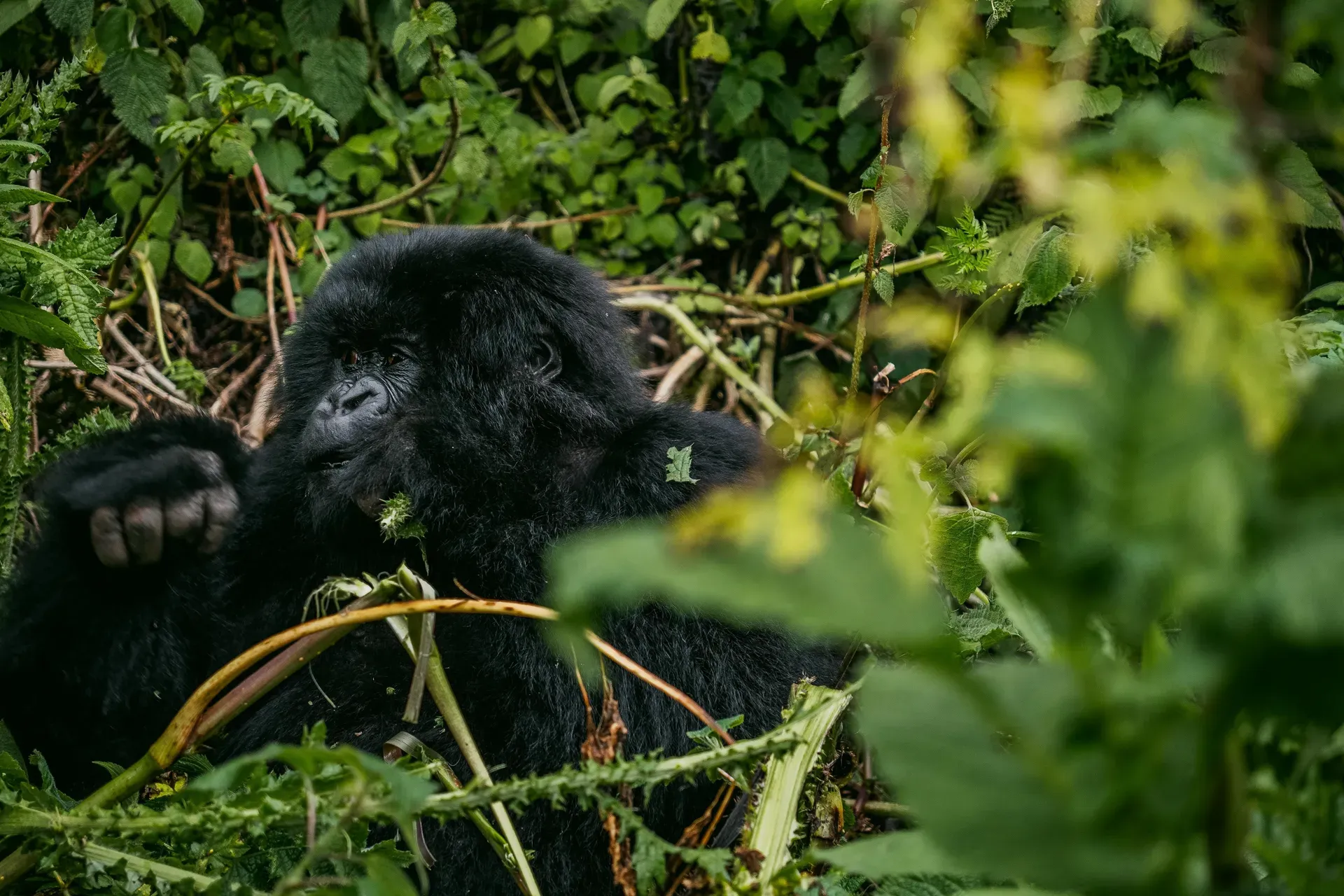
Bwindi Impenetrable National Park tours center on one of wildlife travel's most sought-after experiences: tracking habituated mountain gorillas on foot through the forest. Options range from a 1-day gorilla tracking trip to 5-day private safaris that combine Bwindi with chimp trekking in Kibale, with most tours including meals, guides, and 4x4 transport.

3-day guided gorilla trek with a Lake Bunyonyi swim, returning to Entebbe. Meals and air-conditioned transport included.
 Free Cancellation
 Three-day guided gorilla trekking trip in Bwindi with all meals and multilingual guides.
 Free Cancellation
 Full-day gorilla tracking trip with pickup from Lake Bunyonyi hotels and guiding in English or French.
 Free Cancellation
 3-day private gorilla tour with 4x4 safari van, English-speaking driver-guide, full board and permits included.
 Free Cancellation
 Four-day private safari built around mountain gorilla trekking, with domestic flights and permits included.
 New
New 3-day gorilla trekking safari with a Batwa cultural visit and lodging at a women's non-profit.
 Free Cancellation
 Five-day private tour with gorilla and chimp trekking in Bwindi and Kibale, plus flights and permits.
 Free Cancellation
 A 3-day gorilla tracking tour in Bwindi with an English-speaking guide and all meals included.

5-day guided safari from Entebbe with chimpanzee tracking in Kibale and gorilla trekking in Bwindi, permits included.
 Free Cancellation
 4-day gorilla safari in Bwindi with German or English guide, all meals, photography and a safari T-shirt.
Read what travelers share about their experience visiting Bwindi Impenetrable National Park — from practical tips to personal highlights.
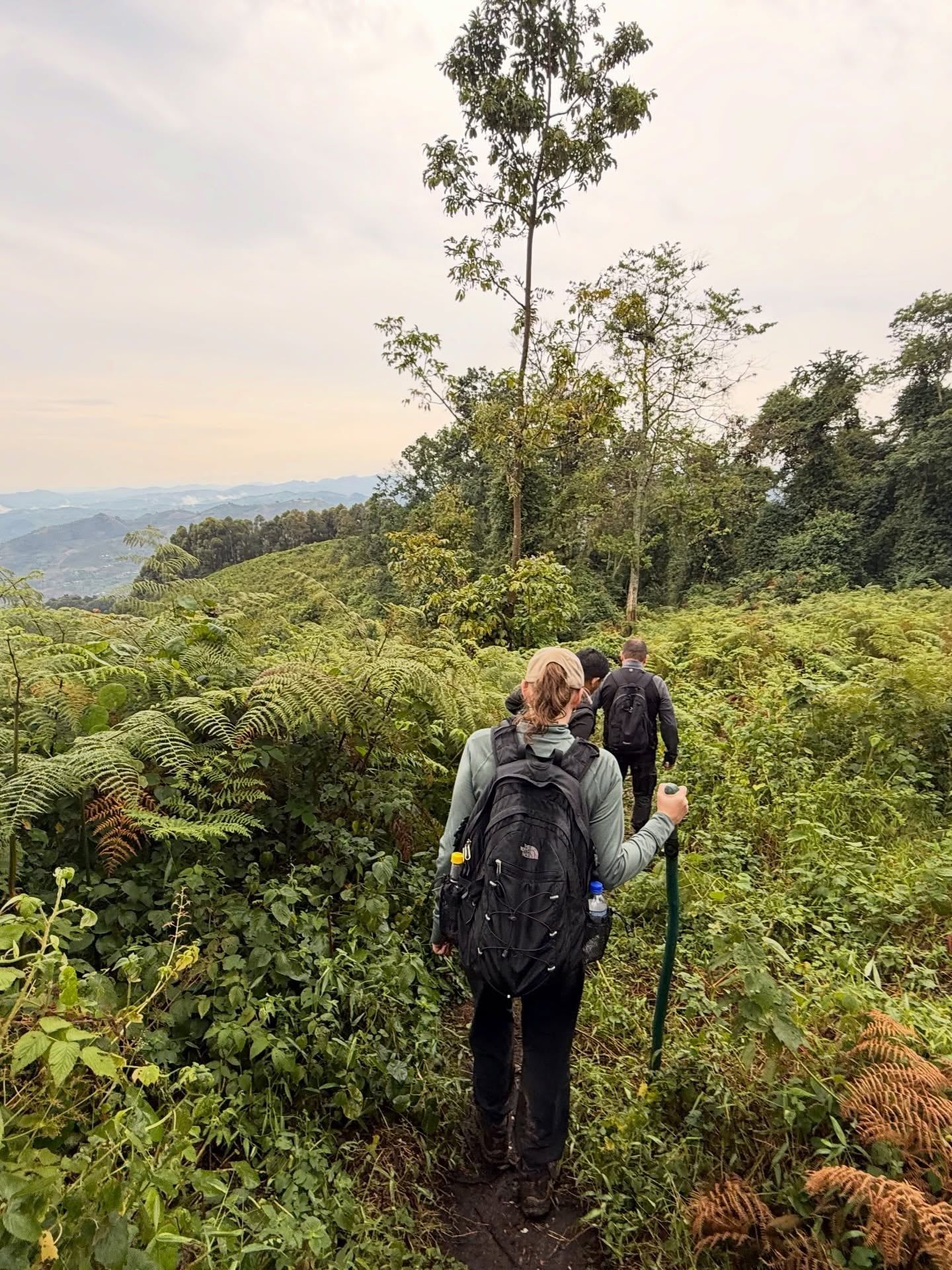
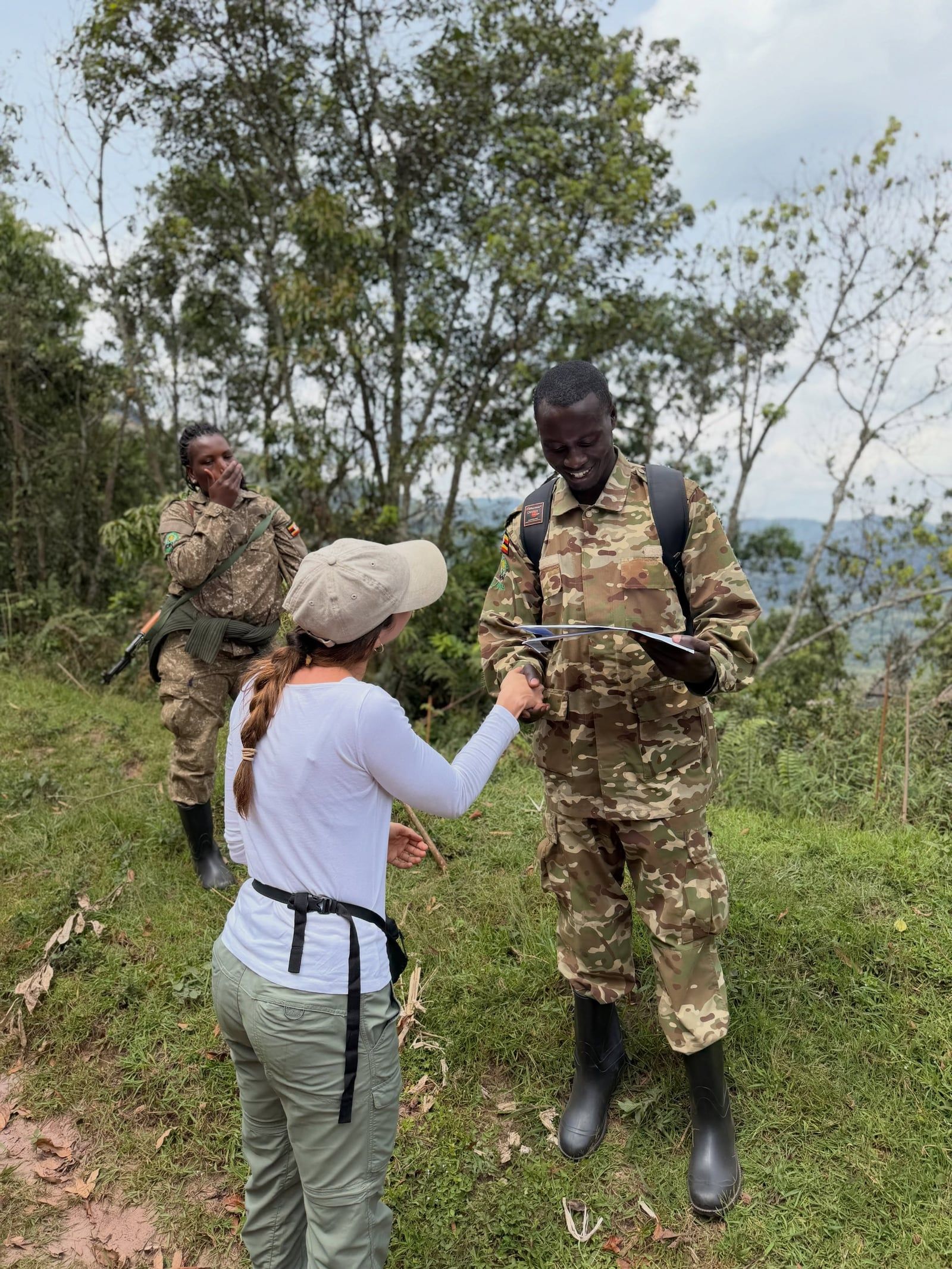
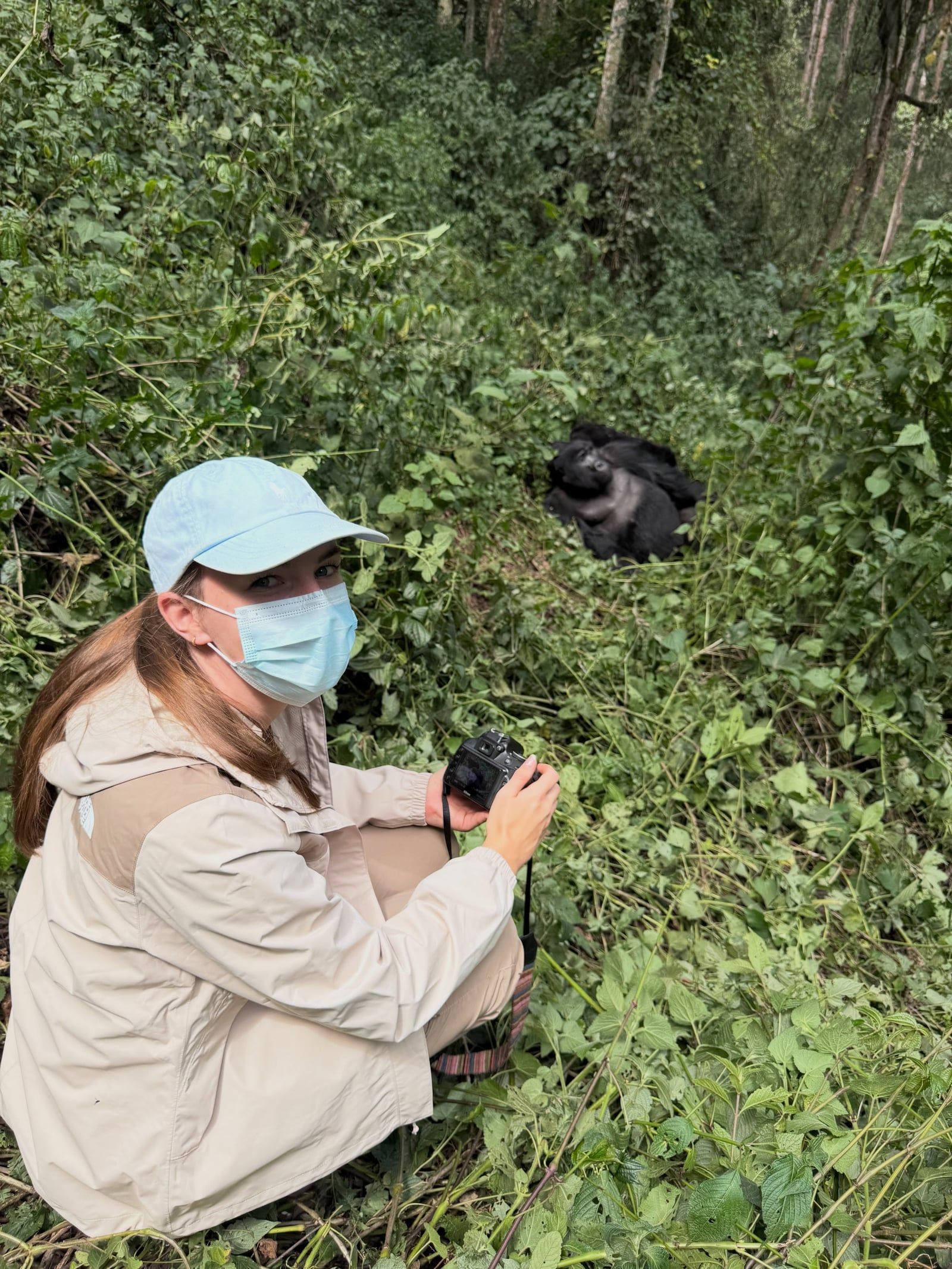
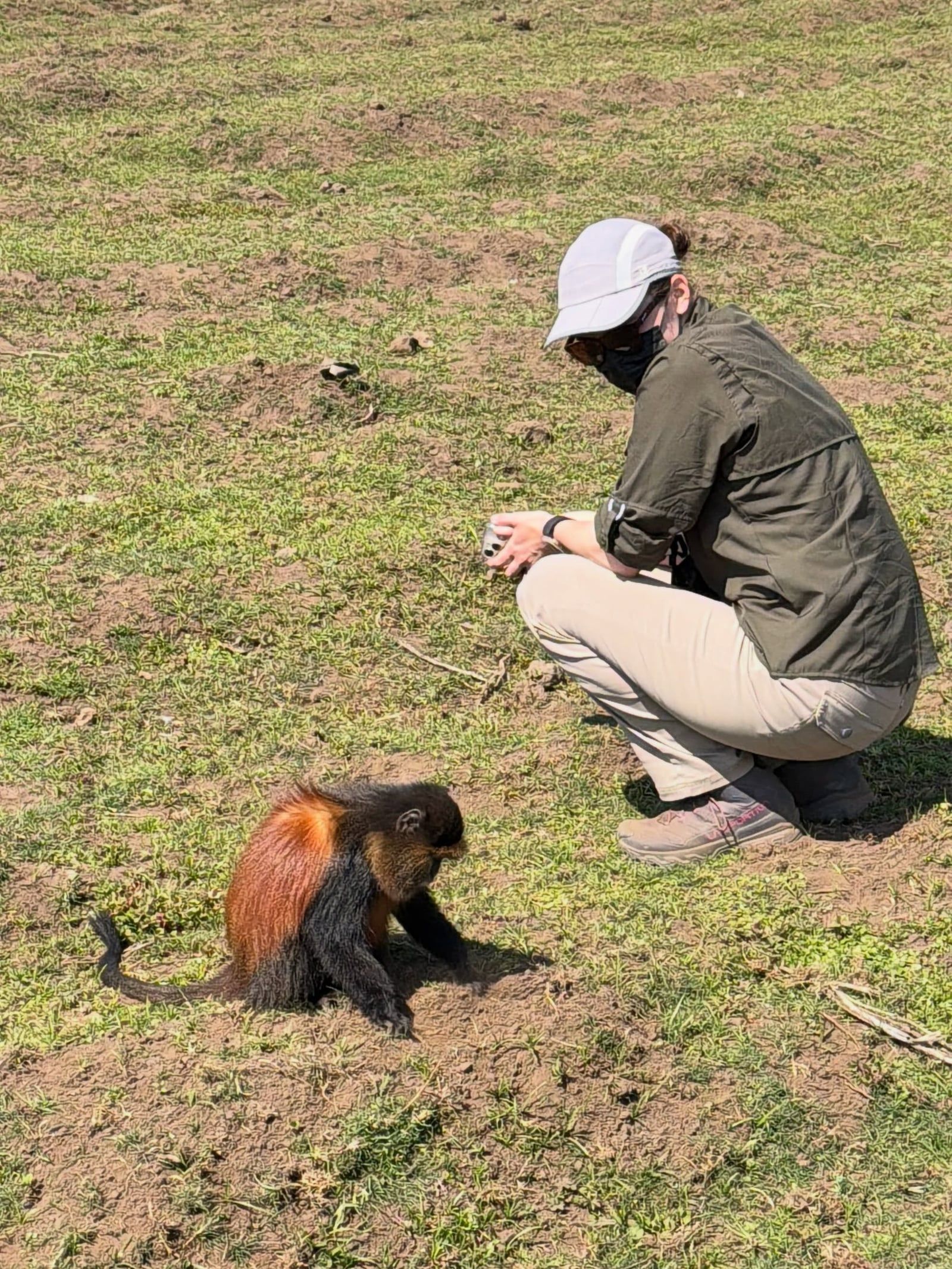
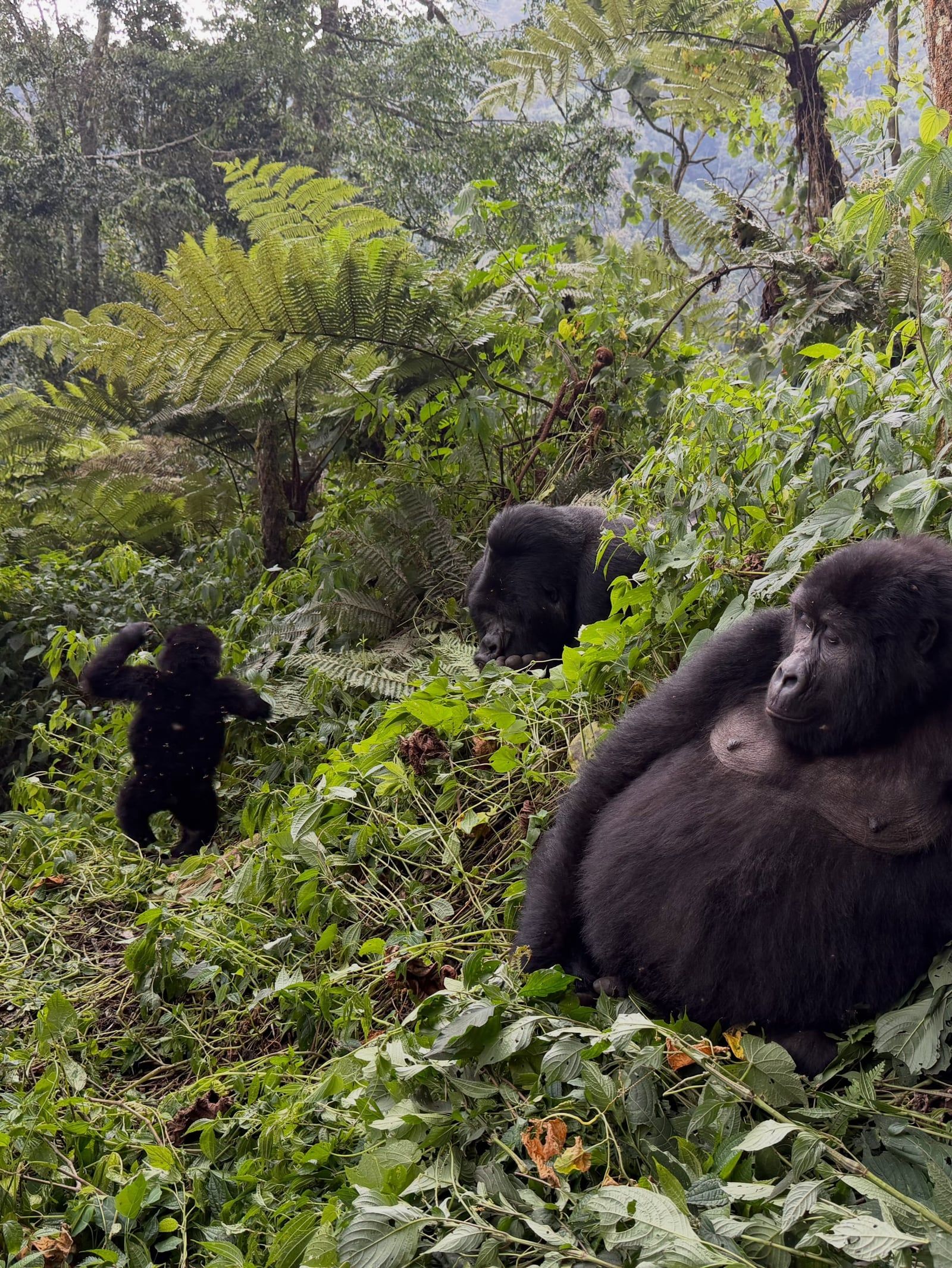
Almost every tour here is built around one morning: you register at a sector trailhead by 7:30–8:00 am, hike 2–8 hours through steep rainforest with armed rangers, then spend exactly one hour beside a habituated gorilla family at a minimum distance of 10 m. Around that morning, tours stack the rest — transfers from Entebbe or Kigali, full-board lodging, and recovery time at Lake Bunyonyi or a chimp trek in Kibale.
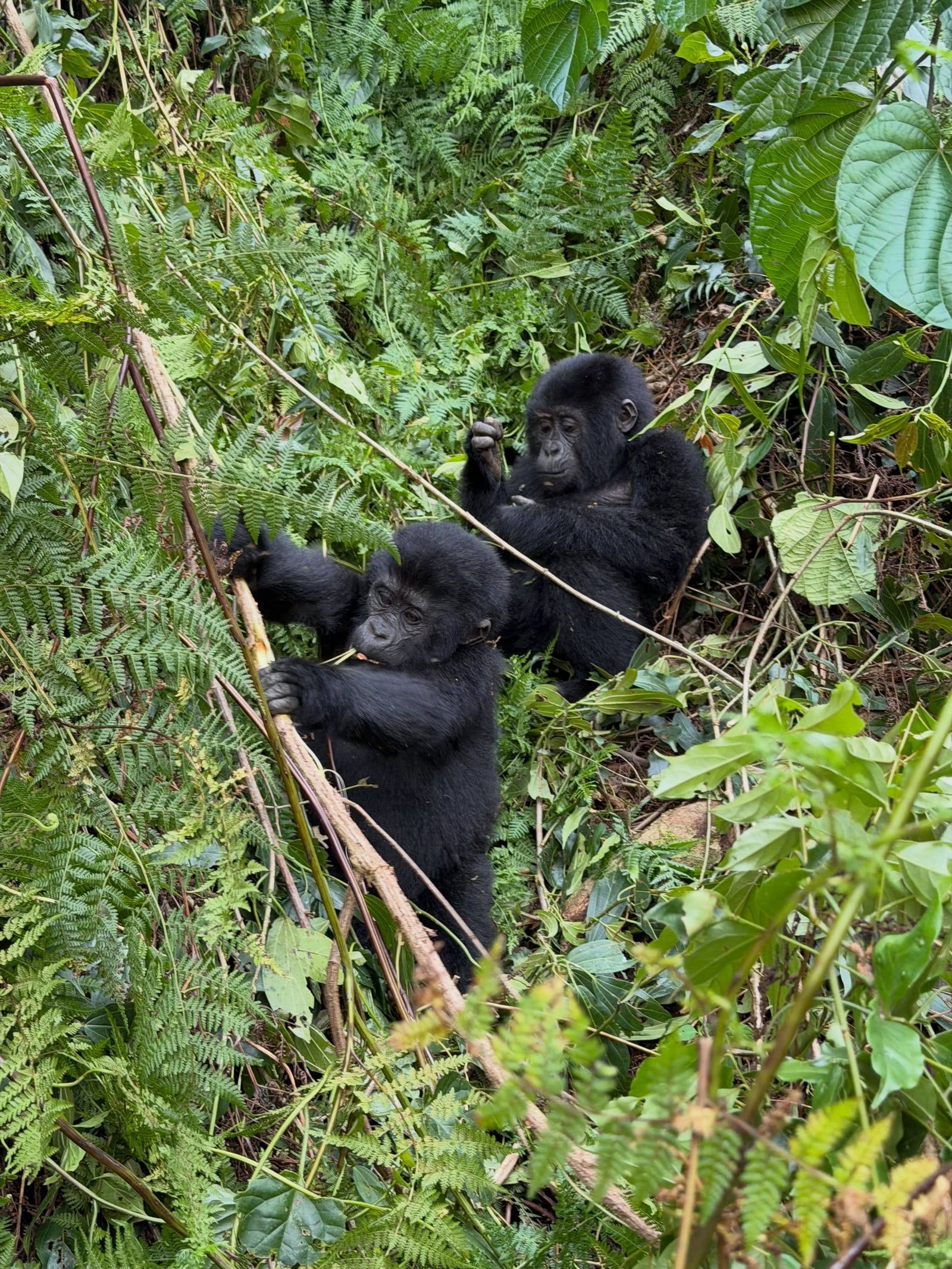
You'll watch a 200 kg silverback feed while youngsters tumble through the vines a few metres away — eight visitors maximum per group, one regulated hour, rangers alongside. Bwindi holds roughly 459 mountain gorillas, almost half of all that remain on Earth.
Trails climb between 1,160 m and 2,607 m through nettle-filled undergrowth that earned the forest its name. Most groups finish in 4–6 hours; porters (US$10–25) carry your pack and haul you up the slick gullies.
Batwa guides — hunter-gatherers evicted when the park was gazetted in 1991 — demonstrate fire-making, medicinal plants and honey collection, ending at Garama cave. The Trail costs US$40 and needs prior booking.
The Nkuringo ridge looks straight over the forest canopy to the smoking cones of the Virunga volcanoes on the Rwanda/DRC border. Its treks are the steepest in the park, and the panoramas are the pay-off.
Over 347 forest bird species live here, including the rare African green broadbill and 22 Albertine Rift endemics. Dawn on the Mubwindi Swamp trail near Ruhija, with hornbills shouting through the mist, is the serious birder's slot.
Several 3-day tours end with a swim or boat ride among Bunyonyi's 29 islands — malaria-free high country about 1.5–2 hours from the park. It's the standard place to soak your legs before the long drive back to Entebbe.
Bwindi tours are permit-driven: your US$800 gorilla permit is tied to one of four sectors, sells out months ahead in high season, and is almost always non-refundable. Everything else — vehicle, lodging, side activities — is negotiable around it.
Nearly everything on this page is a guided, driver-escorted safari — there's no audio or self-guided option in the forest. The standard shape is 3 days/2 nights from Entebbe or Kigali (arrive, trek, depart), with private 4x4 tours from about US$1,970 and group departures from US$1,850–1,900. Longer versions add Kibale chimp trekking or Queen Elizabeth National Park.
Only 8 visitors may track each habituated gorilla group per day, so June–August permits sell out months ahead. Reserve 2–6 months in advance through the UWA reservations office in Kampala or a licensed operator (expect a US$50–100 operator surcharge). December–February is slightly quieter with similar weather.
Read the fine print: the 3-day private tour at US$1,970 bundles permits, full-board lodging and a 4x4 van, while several others at similar prices cover meals and transport but leave the US$800 permit as a separate line. Park entrance (US$40 for foreign non-residents) is included in the permit on trek day only. Meals are almost always full board; alcohol rarely is.
Foreign non-residents pay US$800 for a trek permit; the Gorilla Habituation Experience — four hours-plus with a semi-habituated group — costs US$1,500 and must be reserved far ahead. Foreign residents pay US$700 and East African citizens UGX 300,000. Fees changed in July 2025 and can change again without notice, so confirm before you pay.
Your permit locks you into Buhoma, Ruhija, Rushaga or Nkuringo, and driving between sectors takes hours — sleep near the right trailhead the night before. Buhoma has the easiest treks and most lodges; Rushaga hosts the habituation experience; Nkuringo has the toughest climbs and the best views.
No trail is wheelchair-usable — terrain is steep, uneven, often mud. But Bwindi is one of the few wild-gorilla parks you can reach without walking: a 'sedan chair' (the African helicopter) carried by four porters costs about US$300–500, booked well in advance. Porters at US$10–25 suit seniors and anyone unsteady on slopes. Trekking itself requires age 15+.
Viator policies vary: some tours refund fully up to 24 hours out, others demand 6 days for a full refund and pay 50% between 2 and 6 days. The gorilla permit inside the package is usually 100% non-refundable once issued regardless. Trek sick and you lose the money — buy travel insurance that covers permit cancellation.
Ishasha's tree-climbing lions sit 2–3 hours' drive from Buhoma, and Mgahinga's golden monkeys (US$60) are 1–1.5 hours from the southern sectors — both combine easily. The Buhoma–Nkuringo forest traverse (US$60) crosses the park on foot for hardcore hikers. Lake Bunyonyi is the classic post-trek stop.
Swipe to see more
| 3-Day Group Gorilla Safari | Private 4x4 Gorilla Tour | 1-Day Tracking from Lake Bunyonyi | 4-Day Fly-In Safari | 5-Day Chimps + Gorillas Tour | |
|---|---|---|---|---|---|
| Duration | 72 hours, Entebbe return | 72 hours, flexible pickup | 24 hours, hotel pickup around the lake | 96 hours with domestic flights | 120 hours, Entebbe to Entebbe |
| Best for | First-time trekkers on a schedule — arrive, trek, swim at Lake Bunyonyi, drive home | Couples and families who want their own vehicle and guide, no shared group | Travelers already in the region who can't spare two road days | Anyone who dreads the 8–10 hour drive from Entebbe each way | Primate enthusiasts combining Kibale chimps with Bwindi gorillas |
| Includes | Breakfast, lunch and dinner daily; air-conditioned transport; gorilla permit purchased separately (non-refundable once issued) | Gorilla tracking permits, full-board accommodation (drinks excluded), English-speaking driver-guide, 4x4 safari van | Parking fees; permit, meals and transport arranged with the operator in advance | Domestic flights, gorilla permits, park fees, all meals, AMREF emergency evacuation | Gorilla permit, domestic flights between parks, all transfers, full board, park entrance, AMREF cover |
| Price from | US$1,850–1,900 per person | US$1,970–2,613 per person | US$1,700 per person | US$2,400–2,900 per person | US$2,400–3,500 per person |
Swipe to see more
Park gates open daily from 7:00 am to 7:00 pm, and the park runs year-round with no seasonal closure.
Gorilla trekking follows a fixed morning rhythm. Be at your sector trailhead (Buhoma, Ruhija, Rushaga or Nkuringo) by 7:30–8:00 am for registration and briefing, carrying your passport and permit. Treks set off around 8:30 am and finish anywhere from early afternoon to evening, depending on where the gorillas are that day.
A one-day entrance ticket is valid for 24 hours from the time you enter — anything beyond that is charged as another day. If you hold a gorilla permit, that day's entrance is already covered.
From Entebbe or Kampala it's 480–550 km and 8–10 hours by road via Masaka–Mbarara–Kabale, then murram tracks: about 95 km (3 hours) from Kabale to Buhoma, 105 km (4 hours) to Nkuringo. A 4WD is recommended, and near-essential in the rains.
Flying saves nearly a full day. Aerolink and Bar Aviation run light aircraft from Entebbe to Kihihi (about 80 minutes, then an 80-minute drive to Buhoma) or Kisoro (1 h 50 min, serving Rushaga and Nkuringo), from roughly US$333 one-way. Book early in peak season; departures are morning flights with a mid-morning return.
From Kigali, Rwanda, it's only 3–4 hours via the Katuna/Gatuna border (for Buhoma and Ruhija) or Cyanika (for Rushaga and Nkuringo) — the most popular time-saving route. Budget buses run Kampala to Kabale (US$29–34, about 9 hours), then matatus cover the last stretch. Coming from Queen Elizabeth National Park, Ishasha to Buhoma is roughly 64 km and 2–3 hours.
June–August and December–February are the best windows: drier, less slippery trails and easier murram-road access. June–August is peak season with the highest permit demand; December–February has similarly good weather with fewer crowds.
March–May is the wet stretch. Heavy downpours turn steep trails to mud and access roads to a slog — transfers slow down and ordinary saloon cars struggle. Late September through November is also wet, and April–May are typically the wettest months of all.
Remember this is a rainforest: rain falls in every month, even mid-dry-season, so pack full rain gear whenever you come. Trekking runs year-round, and rangers find the gorillas reliably in any month — the difference between months is your comfort, not your odds.
No forest trail is wheelchair-usable — terrain is steep, uneven and often muddy. What Bwindi does offer is rare: gorilla viewing without walking, via a sturdy sedan chair (nicknamed the African helicopter) carried by four trained porters. It costs roughly US$300–500, arranged through your sector and booked well in advance.
Seniors trek here regularly, especially from Buhoma, the sector with the gentler trails. A porter (US$10–25) carries your daypack and steadies you on slopes; tell UWA staff about any conditions and they can assign a gorilla family closer to the trailhead.
Gorilla trekking requires a minimum age of 15 years. Younger children can do guided nature walks (US$5), Children Scouts activities (US$10) and Batwa cultural experiences; under-5s enter the park free. Keep small children close at the forest edge — buffalo and elephants occasionally stray out.
Buhoma has the most lodges of the four sectors, plus the village's shops and craft cooperatives; Ruhija, Rushaga and Nkuringo each have a smaller cluster of lodges and bandas near their trailheads. Book accommodation in the sector your permit names — driving between sectors takes hours.
Gates take mobile money (Airtel/MTN), POS cards and bank transfer, plus an online payment portal. Don't rely on it working in the field though: mobile coverage in and around the forest is patchy, so carry cash in small denominations for porters, tips and crafts.
At the trailhead you'll get registration, a ranger briefing and toilets — use them, because facilities end at the forest edge. Porters, available at each sector for US$10–25, carry daypacks and steady you on the slopes. There's no restaurant in the park itself; tours run full board, and independent visitors should pack 2–3 litres of water and high-energy snacks for the trek.
Around the gorillas: minimum 10 m distance at all times, maximum 8 visitors per group, exactly one hour with the family, follow ranger instructions, and never eat, drink or smoke during the visit. Flash photography is strictly prohibited. Don't trek if you're sick — gorillas catch human respiratory infections, and UWA bars anyone with symptoms.
In the park: drive only on designated tracks at a maximum 40 km/h, no horns to disturb wildlife, no camping or campfires outside designated sites, and carry all rubbish out (bury human waste 30 cm deep if necessary). Firearms, pets and drones without a UWA filming permit are banned, as are picking flowers and damaging vegetation.
Fees and cameras: personal photos and video need no permit; commercial filming costs US$200 per person per day, with gorilla filming at US$3,500–5,000 plus US$1,000 per extra day. Carry your passport — residency status determines your fee category — and keep every receipt for gate verification.
Some do, some don't. The 3-day private tour at US$1,970 bundles permits, full-board lodging and a 4x4 van, while several similarly priced 3-day options cover only meals and transport, leaving the US$800 permit as a separate purchase. Check the inclusions list before booking — and note that once issued, permits are typically 100% non-refundable even when the tour itself allows cancellation.
Treks last 2–8 hours on steep, muddy slopes between 1,160 m and 2,607 m, so moderate fitness is strongly advised — one Viator 3-day tour flatly requires a high level of fitness. You can soften the day by hiring a porter (US$10–25) to carry your pack and steady you on descents, or asking UWA staff to assign a family closer to the trailhead. Travelers with limited mobility can book a sedan chair carried by four porters (about US$300–500).
Rarely in high season. Only 8 visitors may track each habituated group per day, and June–August permits sell out months ahead, so book 2–6 months in advance. December–February has similar weather with slightly better availability. If your dates are fixed, a licensed operator can sometimes chase a cancelled permit, but don't plan a trip around that.
Buhoma has the gentlest trails and the most lodges — the pick for seniors and first-timers. Ruhija is the highest and best for birders (the Mubwindi Swamp trail is there), Rushaga has the most gorilla families and hosts the US$1,500 habituation experience, and Nkuringo serves the steepest hikes with Virunga volcano views. Your permit is tied to one sector and lodges are hours apart by road, so match your accommodation to your trailhead.
It varies sharply between operators. Some tours refund in full up to 24 hours before departure; others require 6 full days for a full refund and pay only 50% between 2 and 6 days out, with nothing inside 48 hours. The gorilla permit inside the package is almost always non-refundable once bought regardless of the tour policy — buy travel insurance that covers permit cancellation.
Yes. One Viator operator runs a 24-hour tracking trip with pickup from your hotel around Lake Bunyonyi (or anywhere else, arranged in advance) at US$1,700. You'd need to already be in the region, and an early transfer gets you to the trailhead for the 7:30–8:00 am briefing. It works well tacked onto a longer Uganda itinerary.
It's the most popular time-saving route. From Kigali it's a 3–4 hour drive via the Katuna/Gatuna border (through Kabale, for Buhoma and Ruhija) or Cyanika (through Kisoro, for Rushaga and Nkuringo), avoiding Uganda's 8–10 hour road transfer. Classic itineraries run 2–3 days: drive in, trek the next morning, return. Bring a valid East African tourist visa or Uganda e-visa for the border.
You spend most of a full day with researchers and rangers as they accustom a semi-habituated gorilla group to human presence, instead of the standard one hour with a fully habituated family. Visitor numbers are tiny and permits must be reserved well ahead through Rushaga. If gorillas are the whole point of your trip and budget allows, it's the deeper experience; if one hour with a silverback will satisfy you, the US$800 trek delivers that.
Gorilla trekking requires a minimum age of 15, with no exceptions in normal circumstances. Younger children can do guided short nature walks (US$5), Children Scouts adventure activities (US$10) and Batwa cultural experiences while parents trek, and under-5s enter the park free. Some tour listings allow infants on laps in vehicles — but not on the trek itself.
Waterproof hiking boots, gaiters, long trousers and a long-sleeved shirt (stinging nettles are real), gardening gloves for grabbing vegetation, and a proper rain jacket — it rains in every month here. Add a warm layer for 2,000 m mornings, a dry bag for electronics, spare camera batteries, and 2–3 litres of water plus snacks. Flash photography with the gorillas is banned, so set your camera before you go.
Browse verified tours with free cancellation and instant confirmation.
Find Tours


This 3-day tour pairs one strenuous day of gorilla trekking with a recovery day at Lake Bunyonyi, whose name means "place of little birds." After the trek you transfer to the lake for a swim before the drive back to Entebbe. Meals are covered: breakfast, lunch, and dinner, plus transport in an air-conditioned vehicle. Gratuities are not included. Guides are available in English, German, French, Italian, and Spanish. One logistics note that matters: the gorilla permit is 100% non-refundable once purchased, whatever you cancel. The tour itself refunds in full if you cancel at least 6 full days before departure. 5% of the profit goes to a Health Initiative providing free health services to vulnerable communities in Uganda.
If you cancel at least 6 full day(s) before the scheduled departure time, you will receive a full refund.<br>If you cancel between 2 and 6 day(s) before the scheduled departure time, you will receive a 50% refund.<br>If you cancel within 2 day(s) of the scheduled departure, you will receive a 0% refund.
German, English, Italian, French, Spanish


This is a 3-day guided gorilla trekking trip in Bwindi Impenetrable Forest, running about 72 hours from pickup to drop-off. All three meals are included each day — breakfast, lunch, and dinner. Alcoholic drinks are not; budget for those separately. Your guide or driver meets you holding a sign with the lead traveler's name, so you don't need to hunt for the vehicle or coordinate a meeting point. Guides work in English, German, French, Italian, and Spanish — useful if you'd rather not trek in your second language. Cancellation is straightforward: cancel at least 24 hours before departure for a full refund. Inside that window you'll lose the booking, so decide early.
For a full refund, cancel at least 24 hours before the scheduled departure time.
German, English, Italian, French, Spanish


This is a one-day gorilla tracking trip built around a pickup from your hotel on Lake Bunyonyi — or anywhere else, as long as you tell the operator in advance. The whole thing runs within 24 hours, so there's no overnight component to plan around. Guides work in English and French. Parking fees are covered in the price; anything else you'll pay for yourself. The listed inclusions are thin, so confirm meals, permits, and transport details with the operator before you book — those are the costs that add up on a gorilla day. Cancellation is standard: a full refund if you cancel at least 24 hours before departure. Given how tightly gorilla permits are regulated, that window is tighter than it sounds, so decide early.
For a full refund, cancel at least 24 hours before the scheduled departure time.
English, French


This is a three-day private tour built around one gorilla tracking session in Bwindi, with a full hour spent with the troop once you reach them. Transport is by 4x4 safari van with an English-speaking driver-guide, and the whole vehicle is yours — no shared group. The price covers a lot: gorilla tracking permits (normally a separate and major cost), full-board accommodation, and all meals from breakfast through dinner, though drinks are extra. Having the permit bundled means you won't need to arrange the park paperwork yourself. Cancellation terms are standard — full refund if you cancel at least 24 hours before departure. Bring sturdy boots and rain gear regardless of season; the tracking is on foot through steep, wet terrain and the hour with the gorillas comes after a hike that can last several hours.
For a full refund, cancel at least 24 hours before the scheduled departure time.
English


A four-day private trip built around one thing: tracking mountain gorillas on foot and spending time near a habituated group. You'll follow an English-speaking guide through the forest until the trackers locate the family, then stay with them while they feed, rest, and move. The habituation angle means you also see how the primates tolerate human presence, not just a quick photo stop. Domestic flights, all three daily meals, and the gorilla permits with park fees are covered. Emergency evacuation through AMREF is included too, which matters more than usual on a trek several hours from a hospital. Alcohol, souvenirs, tips, and anything else you'd buy on your own are not. Pickup is at your accommodation's reception, and any changes to the arrangement get communicated to both the lodging's management and to you directly. Since it's private, the pace and the group size are yours. Cancel at least 24 hours before departure for a full refund.
For a full refund, cancel at least 24 hours before the scheduled departure time.
English


This 3-day safari pairs gorilla trekking in Bwindi with a cultural encounter with the Batwa, an indigenous group involved in gorilla preservation. Lodging for the trip is at a non-profit guesthouse that supports women who have faced domestic violence or poverty, and part of the tour proceeds goes to community non-profits. Accommodation settings are close to a lake, river, or other natural surroundings. Your driver picks you up from your hotel lobby or airport arrivals, and the guide speaks English. All meals are included — breakfast, lunch, and dinner. Cancel at least 3 full days before departure for a full refund; cancel within 3 days and you get nothing back.
If you cancel at least 3 full day(s) before the scheduled departure time, you will receive a full refund.<br>If you cancel within 3 day(s) of the scheduled departure, you will receive a 0% refund.
English


This five-day private tour pairs chimp trekking in Kibale with gorilla trekking in Bwindi, run with your own English-speaking guide-driver rather than a shared group. Domestic flights between the parks are built in, which saves you the two-day road transfer each way. Expect long stretches on foot in the forest on trekking days — the tracking itself can take hours before the animals are found. Nearly everything is covered: gorilla permit per person, park entrance fees, all accommodation, breakfast, lunch, dinner, and bottled water and snacks. Gratuities are not. Pickup is flexible — airport, border entries, hotels, conference centers, or other lodging — and all airport transfers are included. Cancel at least 24 hours before departure for a full refund. With one English-speaking guide throughout, it's best suited to travelers comfortable being guided in English only.
For a full refund, cancel at least 24 hours before the scheduled departure time.
English


A 72-hour trip built around one thing: gorilla tracking in Bwindi. It runs with an English-speaking guide and follows a three-day schedule, with the trek itself as the centerpiece. Breakfast, lunch, and dinner are all included over the three days, so you're covered from arrival to departure. Free cancellation applies up to 24 hours before departure — after that, no refund. The source listing doesn't specify pickup points, group size, or which sector of the forest the trek uses, so confirm those details with the operator before booking. Gorilla permits in Uganda cost extra on most trips like this and aren't listed as included here — ask directly.
For a full refund, cancel at least 24 hours before the scheduled departure time.
English


This 5-day tour (120 hours) starts the moment you land in Entebbe, with your driver meeting you holding a placard showing the lead traveler's name and booking reference. That same guide stays with you for the whole trip, in an air-conditioned vehicle. Guiding is available in English, French, or German. The route runs through two primate forests. First comes Kibale Forest, where you track wild chimpanzees and hear red colobus monkeys and birds calling through the canopy. Then the tour continues to Bwindi Impenetrable National Park for mountain gorilla trekking. Gorilla and chimpanzee trekking permits and park fees are included in the price, along with accommodation, breakfast, lunch, and dinner. Cancel at least 6 full days before departure for a full refund; between 2 and 6 days, you receive a partial refund.
If you cancel at least 6 full day(s) before the scheduled departure time, you will receive a full refund.<br>If you cancel between 2 and 6 day(s) before the scheduled departure time, you will receive a 50% refund.<br>If you cancel within 2 day(s) of the scheduled departure, you will receive a 0% refund.
German, English, French


This is a 4-day (96-hour) safari built around tracking Bwindi's habituated mountain gorillas. Of the park's 35 known gorilla groups, 17 are habituated and open to tourism, and a visit with one of them is the core of the trip. Beyond the gorillas, the forest holds over 120 mammal species (chimpanzees, blue monkeys, L'Hoest's monkeys) and 357 bird species, 23 of them Albertine Rift endemics like the African green broadbill and blue-headed sunbird. The tour also includes a visit to the Batwa pygmy communities to see their traditional way of life. Guiding is available in German and English, which is worth noting if your group mixes both. Meals are covered on tour: breakfast, lunch and dinner are all included, along with photography during the trip and a safari T-shirt. The listing doesn't specify what "other" extras cost, so budget for gorilla permits, drinks and tips separately — those typically aren't bundled. No hour-by-hour itinerary or pickup details are published for this tour, so confirm the route and meeting point with the operator when booking. Cancellation is standard: a full refund if you cancel at least 24 hours before departure. Anything later than that and you'll likely lose the payment, which matters on a 4-day commitment.
For a full refund, cancel at least 24 hours before the scheduled departure time.
German, English