Trek through Uganda's Bwindi Impenetrable Forest to track endangered mountain gorillas, with options ranging from 2 to 4 days. Tours depart from Entebbe or Kigali and include permits, guides, transport, and meals.

3-day guided gorilla trek from your hotel, ending with a canoe ride on Lake Bunyonyi.
 Free Cancellation
 4-day Uganda trip linking Kibale chimp trekking, Queen Elizabeth wildlife, and gorilla trekking at Bwindi.
 Free Cancellation
 Two-day private tour from Kigali: gorilla tracking with permit, Batwa visit, all meals and one night's lodging.
 Free Cancellation
 3-day gorilla trek with permits, all meals and airport pickup included, plus a Lake Bunyonyi overnight.
 Free Cancellation
 Three-day private gorilla trekking tour from Kabale, with a Lake Bunyonyi boat visit and all meals included.
Read what travelers share about their experience visiting Bwindi Impenetrable National Park — from practical tips to personal highlights.
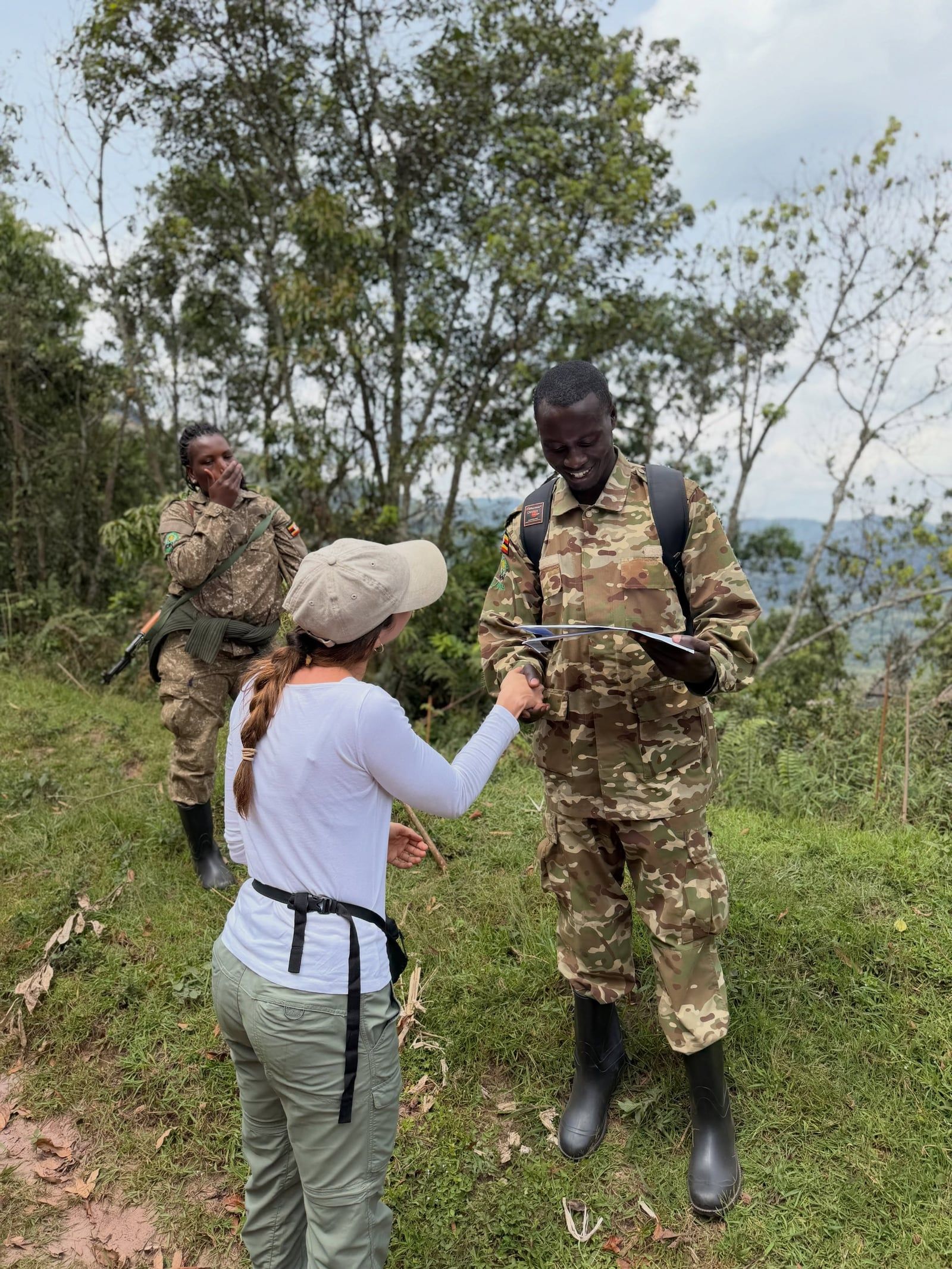
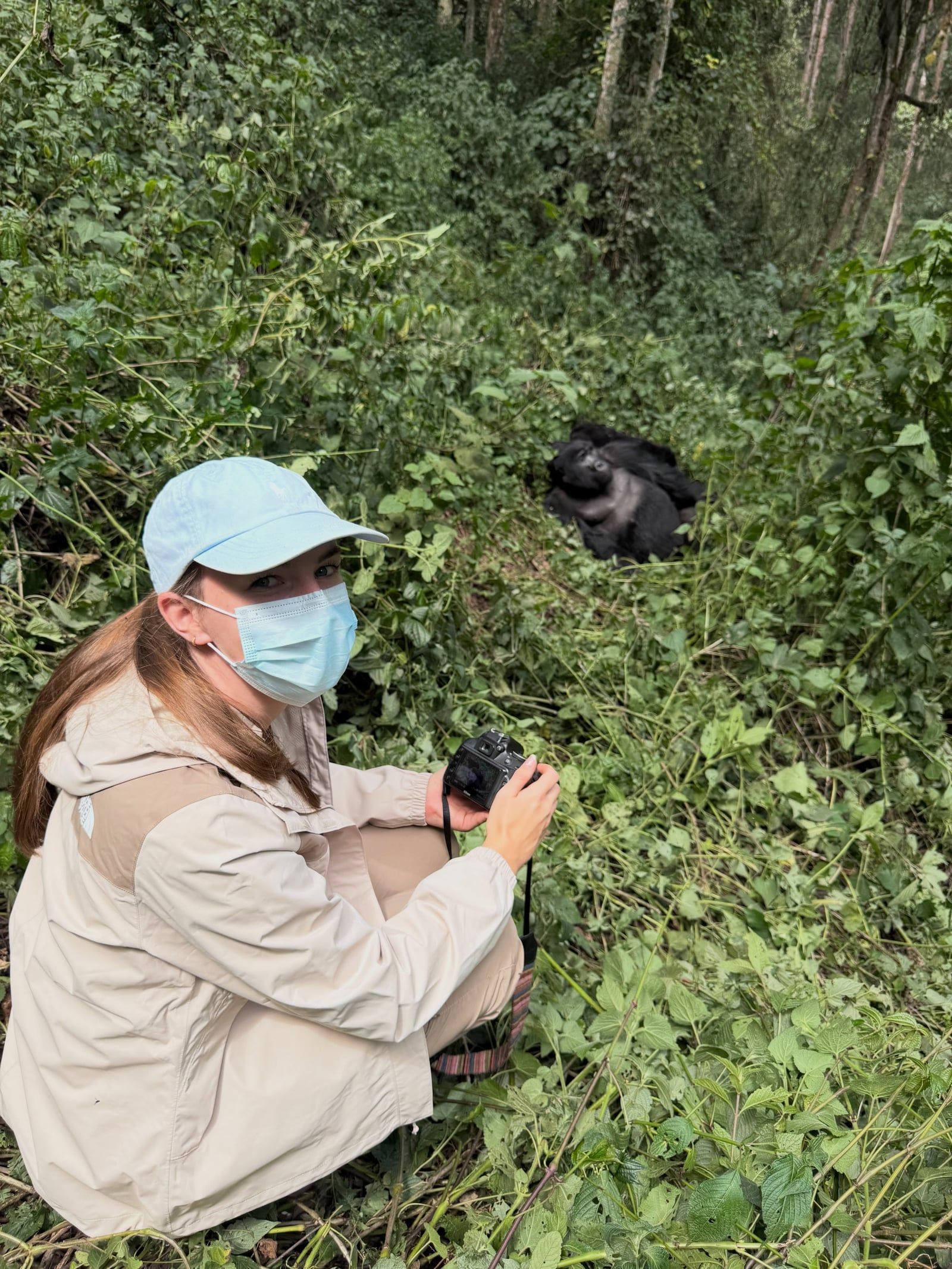
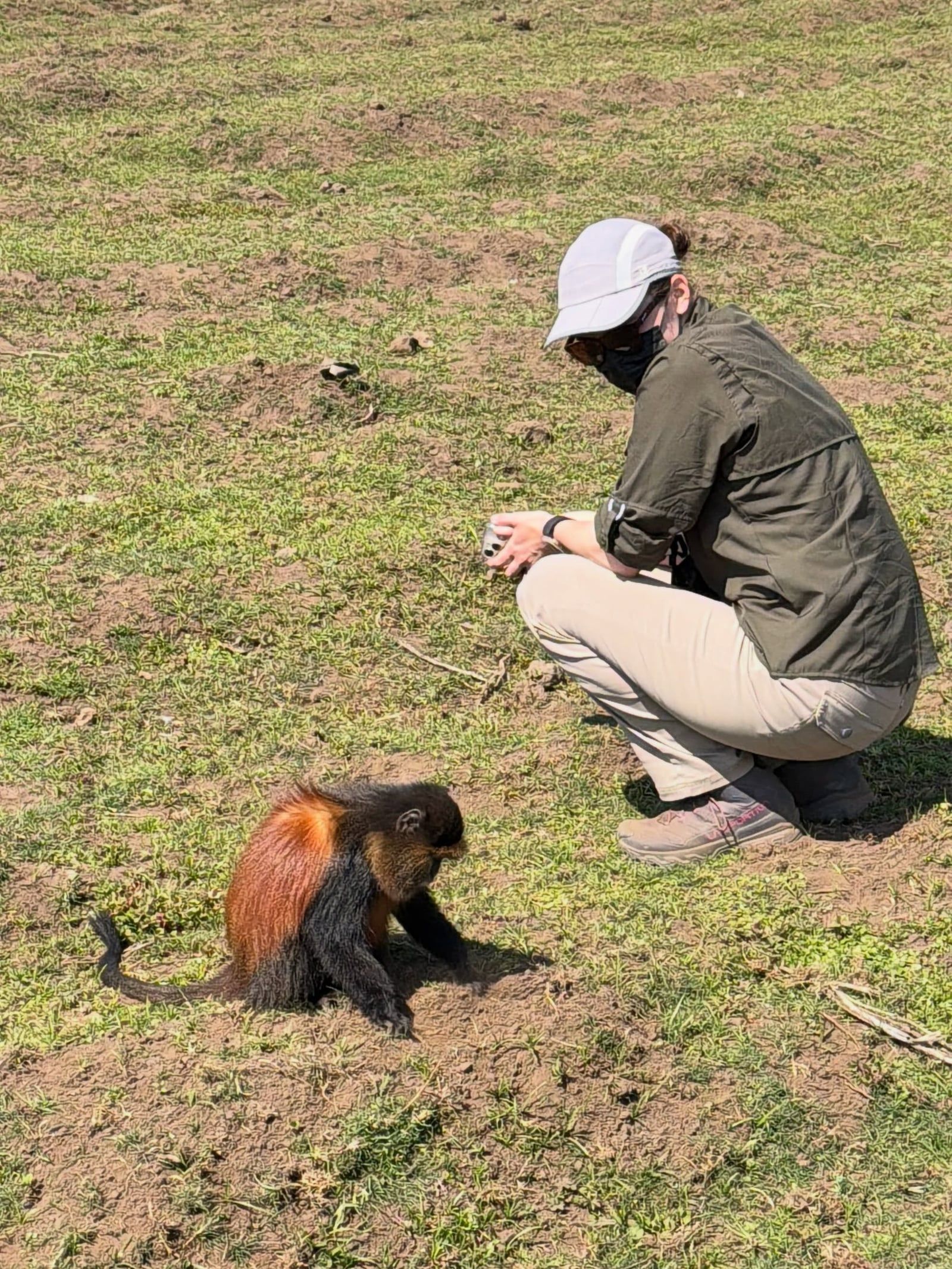
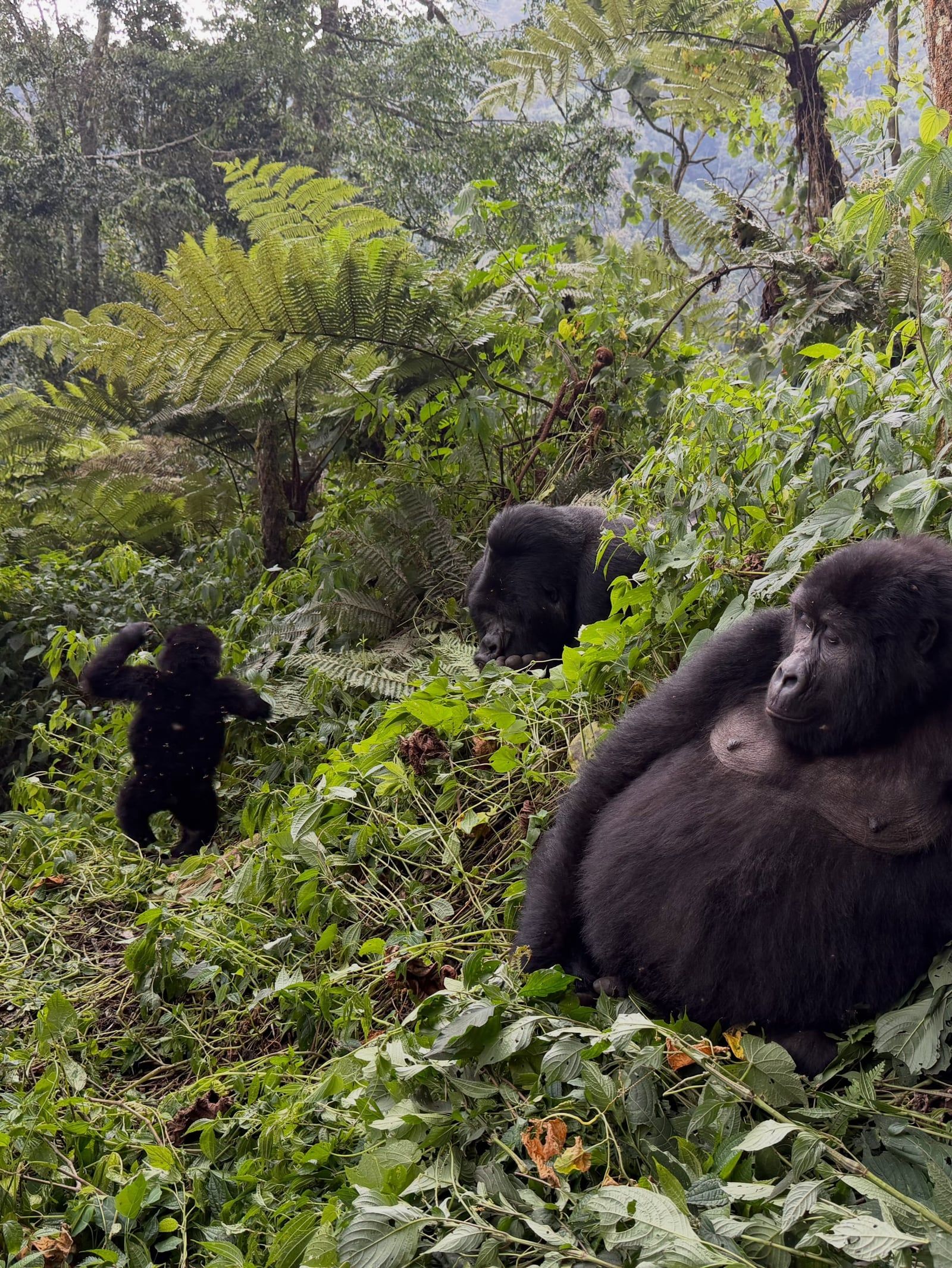
Every tour here is built around one morning: a 7:30–8:00 am briefing at your sector trailhead, then a hike of two to eight hours through steep, misty rainforest before you spend a regulated hour with a habituated gorilla family. Bwindi holds roughly 459 mountain gorillas — almost half of all that remain on Earth — spread across four trekking sectors, and most tours wrap the trek with lake time, cultural visits or a second park on the drive back.
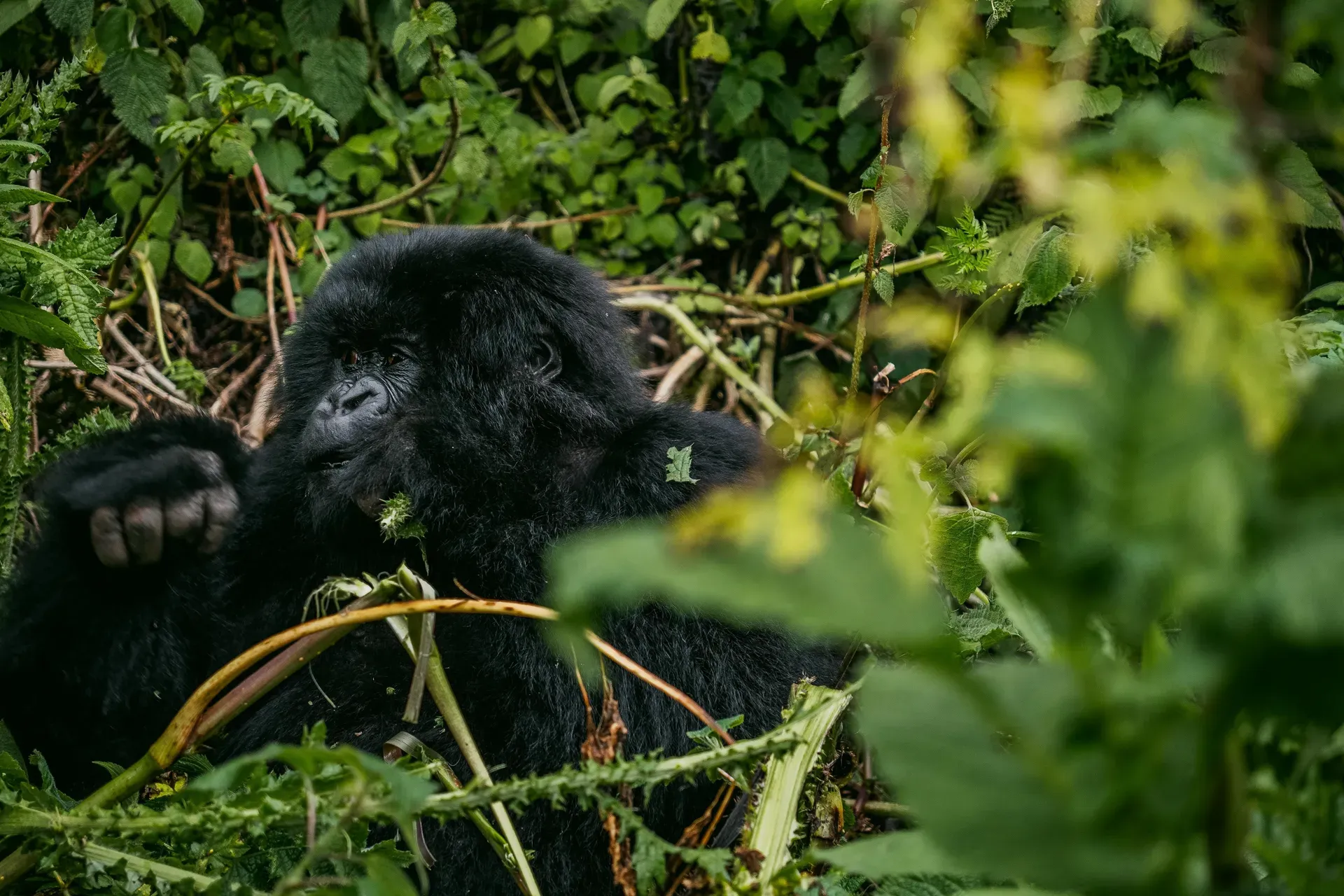
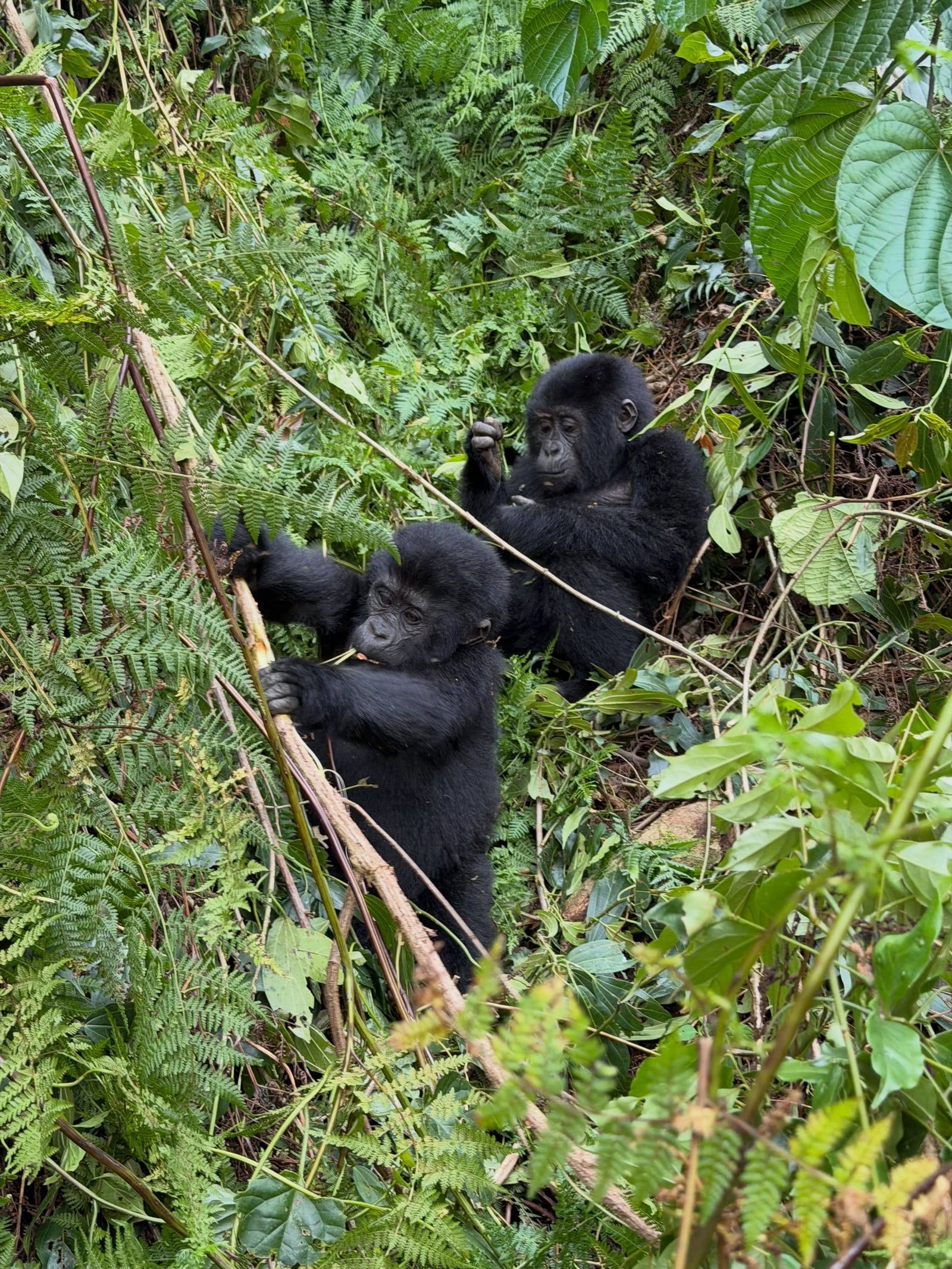
Up to 8 visitors spend exactly 60 minutes at a minimum distance of 10 m from a habituated family, escorted by armed rangers. You'll likely see a 200 kg silverback feeding while youngsters tumble through the vines around him. One hour sounds short. It isn't.
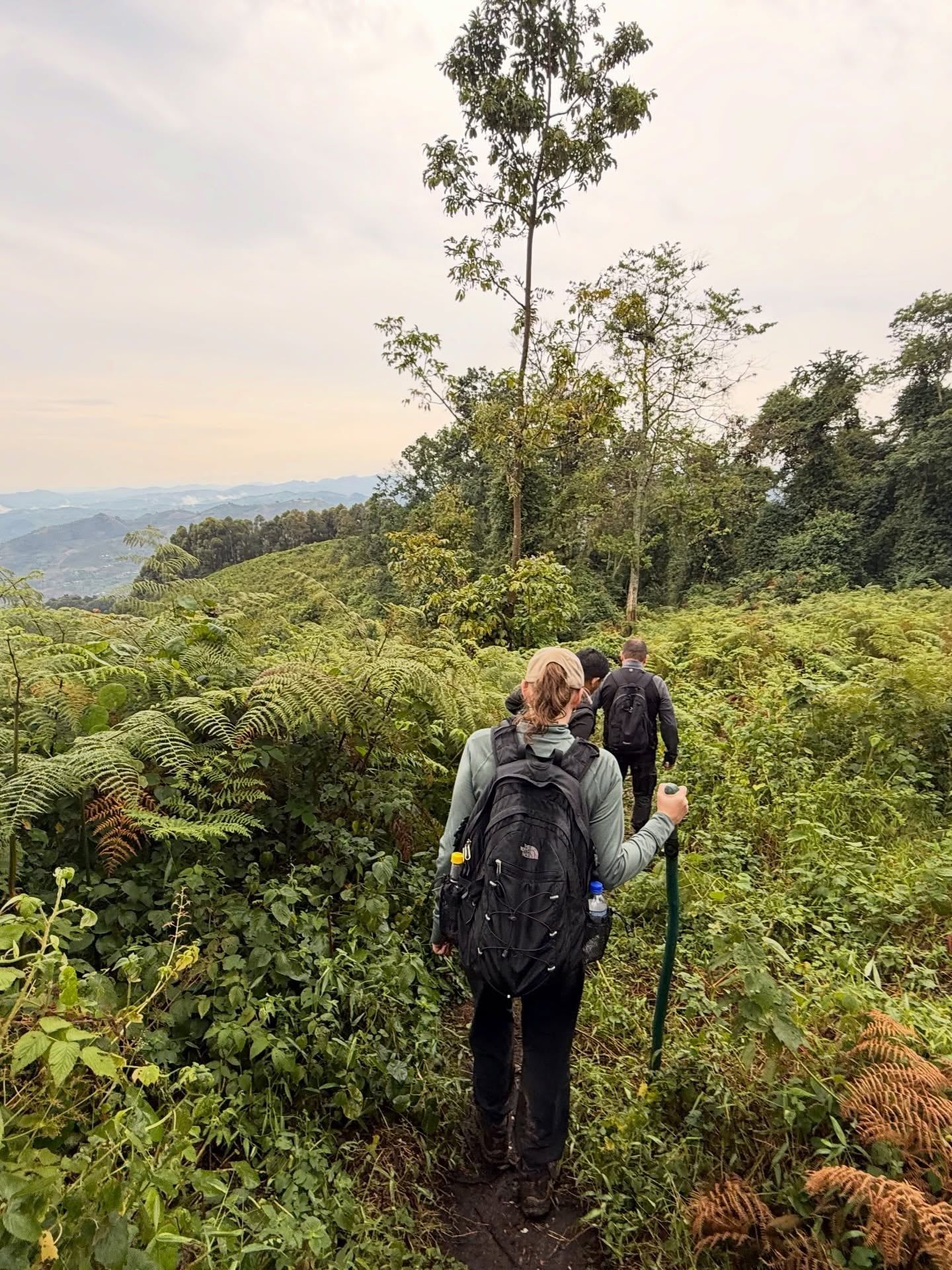
Expect steep, muddy slopes between 1,160 m and 2,607 m, nettles, and rain on any day of the year. Treks set off around 8:30 am and can finish by lunch or by evening, depending on where the gorillas woke up. Hire a porter for US$10–25 — it's a safety tool, not a luxury.
For US$1,500 you can spend most of a full day with researchers as they accustom a semi-habituated group to human presence, based in the Rushaga sector. Visitor numbers are tiny and it must be reserved months ahead. If one hour with the gorillas won't be enough, this is the upgrade.
Several tours finish with a canoe session among this island-dotted highland lake's 29 islands, about 7 km from Kabale. It's malaria-free country and the standard place to decompress after the trek. Bring a dry layer — lake evenings at this altitude are cool.
Batwa guides — evicted from this forest when it became a park in 1991 — demonstrate fire-making, medicinal plants and honey collection, ending at Garama cave (US$40, book ahead). The 2-day Kigali tour includes it. It adds context no gorilla trek alone can give.
Bwindi pairs naturally with Queen Elizabeth National Park: the Ishasha sector, 2–3 hours' drive from Buhoma, is one of the few places in Africa where lions drape themselves over fig trees. The 4-day tour route passes through en route to or from the gorillas.
Tours range from a 2-day private dash from Kigali to a 4-day loop through Kibale, Queen Elizabeth and Bwindi, and prices run US$1,670–2,500. What varies most between them is what's bundled — above all, whether the US$800 gorilla permit is included.
Nearly all Bwindi tours are private trips with your own vehicle and driver-guide; the classic shape is 3 days/2 nights (arrive, trek, depart). A 2-day version from Kigali is feasible if you're short on time, while the 4-day option adds chimpanzee trekking in Kibale and wildlife drives in Queen Elizabeth. Expect long road transfers on every itinerary that starts from Entebbe.
Only 8 permits are sold per habituated gorilla family per day, and June–August sells out months ahead. Book 2–6 months in advance through the UWA reservations office in Kampala or a licensed operator. Your permit is tied to one sector, so your lodge must match it — driving between sectors takes hours.
A gorilla permit costs US$800 for foreign non-residents (US$700 foreign residents, UGX 300,000 East African citizens) and includes that day's park entrance, guide fee, community contribution and tracking certificate. Some tours bundle it — the 2-day Kigali and 3-day Equator tours list permits in their inclusions — while the 4-day lists only meals. Check before you pay.
Policies differ sharply between operators. The 3-day Bunyonyi tour gives a full refund only if you cancel 6+ days out, 50% between 2 and 6 days, and nothing inside 48 hours; most others refund fully up to 24 hours before departure. The permit itself is generally non-refundable on late cancellation, so consider travel insurance that covers illness — UWA bars anyone sick from tracking.
Gorilla trekking requires visitors aged 15+, and most tours flag themselves as unsuitable for pregnant travellers or anyone with spinal or cardiovascular problems. But Bwindi is one of the few wild-gorilla destinations reachable without walking: a 'sedan chair' carried by four porters costs roughly US$300–500, arranged through your sector in advance. One 3-day private tour lists wheelchair-accessible transport.
The same road network links Mgahinga Gorilla National Park (golden monkey tracking, US$60), Lake Mutanda's canoeing near Kisoro, and Lake Bunyonyi. If your tour allows a free day, the Mubwindi Swamp trail at Ruhija is one of East Africa's best birding walks — 22 of the Albertine Rift's 36 montane endemics occur here.
English-speaking driver-guides are standard on every tour. Two of the five listed also offer German, French, Italian and Spanish guides — useful if you're booking for family members who don't speak English. Airport pickup from Entebbe, or from Kigali on the Rwanda route, is included on most departures.
Swipe to see more
| 2-Day Private Tour from Kigali | 3-Day Gorilla Trek with Lake Bunyonyi | 3-Day Private Tour with Equator Stop | 3-Day Private Tour (WiFi Onboard) | 4-Day Chimps, Wildlife & Gorillas | |
|---|---|---|---|---|---|
| Duration | 48 hours | 72 hours | 72 hours | 72 hours | 96 hours |
| Best for | Time-pressed travellers; avoids Uganda's 8–10 hour drive with a 3–4 h transfer via the Cyanika or Katuna border | First-time visitors wanting the classic arrive-trek-depart rhythm plus a canoe on Bunyonyi's 29 islands; rated 4.9 from 29 reviews | Travellers who want guides in German, French, Italian or Spanish, plus photo stops at the Kayabwe Equator crossing and Mbarara | Budget-conscious groups and travellers with mobility needs — wheelchair-accessible transport, five guide languages | Travellers who want three parks in one road-heavy loop: Kibale chimpanzees, Queen Elizabeth wildlife, then Bwindi gorillas |
| Includes | Gorilla permit, Batwa cultural experience, private vehicle, one night's accommodation, all meals, Kigali airport transfers | National park fees, lunch, dinner, bottled water, English driver-guide, hotel pickup | Gorilla permits, all meals, entrance fees, air-conditioned vehicle, airport pickup with name sign | Private air-conditioned vehicle with WiFi, all fees and taxes, breakfast, lunch, dinner | Breakfast, lunch and dinner — confirm the gorilla permit separately, as it's not listed in inclusions |
| Price from | US$1,860 | US$1,850 | US$2,500 | US$1,670 | US$2,400 |
Swipe to see more
Park gates are open daily from 7:00 am to 7:00 pm, year-round with no seasonal closure. A one-day entrance ticket is valid for 24 hours from the time you enter; time beyond that is charged as another day.
Gorilla trekking mornings run on a fixed rhythm:
Carry your passport and permit to registration — your residency status determines your fee category, and officials check it. The Gorilla Habituation Experience instead occupies most of a full day with a semi-habituated group.
From Entebbe or Kampala it's 480–550 km and 8–10 hours by road via Masaka–Mbarara–Kabale, then murram tracks: about 95 km/3 h from Kabale to Buhoma, 105 km/4 h to Nkuringo. A 4WD is recommended, especially in the rains.
Scheduled light aircraft (Aerolink, Bar Aviation) fly Entebbe to Kihihi — about an 80-minute drive to Buhoma gate — or Kisoro for the southern sectors, from roughly US$333 one-way. Flying one way saves nearly a full day of driving.
From Kigali, Rwanda, it's only 3–4 hours via the Katuna/Gatuna border (for Buhoma/Ruhija) or Cyanika (for Rushaga/Nkuringo) — the most popular time-saving route, and the basis of the 2-day tours. Budget travellers can bus to Kabale for US$29–34, then take a matatu the last 80–105 km; most overnight in Kabale or Kisoro first.
June–August and December–February are the best windows: drier, less slippery trails, easier murram-road access and better photography light. June–August is peak season with the highest permit demand; December–February is slightly quieter with similar weather.
March–May is the toughest period — heavy rain turns steep trails to mud and some access roads become near-impassable for saloon cars. Late September through November is also wet, with April and May typically the wettest months.
That said, trekking runs year-round and the chance of finding the gorillas stays high in every month. This is a rainforest: rain falls even in the dry seasons, so pack full rain gear whenever you come. If you want lower crowds and don't mind mud, the shoulder months reward you with greener forest and easier lodge availability.
There are no paved, wheelchair-accessible forest trails — terrain is steep, uneven and often muddy. But Bwindi is one of the few wild-gorilla destinations reachable without walking: a sturdy 'sedan chair' (nicknamed the African helicopter), carried by four trained porters, costs around US$300–500 and must be booked well in advance through your sector.
Seniors trek here regularly, especially from Buhoma, the sector with the gentler trails. A porter at US$10–25 carries your daypack and steadies you on slopes; tell UWA staff about any conditions and they can assign a gorilla family closer to the trailhead. Treks still mean humidity, rain and elevations up to 2,607 m.
Gorilla trekking is restricted to visitors aged 15 and over. Younger children have their own options: guided nature walks (US$5), Children Scouts activities (US$10) and Batwa cultural experiences; under-5s enter the park free. Keep children close at the forest edge — buffalo and elephants occasionally stray out.
Buhoma has the most lodges and the best-developed facilities of the four sectors; Ruhija, Rushaga and Nkuringo each have a smaller spread of camps and guesthouses. Book accommodation in the sector your permit names — driving between sectors can take several hours.
Gates accept mobile money (Airtel/MTN), POS cards, bank transfer and the online portal, but mobile coverage inside the forest is patchy, so carry cash in small denominations for porters, tips and crafts. Foreign students with valid international ID get 25% off park entrance.
Practicalities on trek day: eat a solid breakfast, pack 2–3 litres of water and high-energy snacks, and use the toilet at the trailhead — facilities end at the forest edge. There's a walking stick worth grabbing at briefing, and porters (many of them reformed poachers) queue up for hire each morning.
Around the gorillas, UWA rules are strict and rangers enforce them without exception:
Inside the park generally: no firearms, pets, drones (without a UWA filming permit) or litter — carry all rubbish out and bury human waste 30 cm deep if necessary. Vehicles stay on designated tracks at a maximum 40 km/h, and camping or fires are allowed only at designated sites. Commercial filming costs US$200 per person per day, or US$3,500–5,000 for gorilla filming, arranged in Kampala. Retain all official receipts for gate verification.
It depends on the tour. The 2-day Kigali private tour and the 3-day Equator tour both list gorilla permits in their inclusions, while the 4-day chimp-and-gorilla loop lists only meals — for that one, expect to arrange the US$800 permit separately. Always confirm in writing before paying, since the permit is the single biggest cost in any Bwindi trip.
Yes, and it's the most popular time-saving route. The 2-day private tour from Kigali crosses at the Katuna or Cyanika border, drives 3–4 hours to your sector, treks the next morning and returns — all with a private vehicle, driver-guide and airport transfers included. It avoids Uganda's 8–10 hour road transfer from Entebbe entirely.
Treks last 2–8 hours over steep, muddy forest between 1,160 m and 2,607 m, so moderate fitness is strongly advised. Most tours state the same thing: not recommended for pregnant travellers or anyone with spinal injuries or poor cardiovascular health. You can cut the difficulty by hiring a porter (US$10–25) or, if you can't hike at all, a sedan chair carried by four porters (US$300–500).
15 years, set by the Uganda Wildlife Authority for safety and disease-risk reasons, with no exceptions in normal circumstances. Younger children travelling with you can do guided nature walks (US$5), Children Scouts activities (US$10) and Batwa cultural experiences while the adults trek.
The 2-day private tour from Kigali. You cross the border on day one, trek on the morning of day two, and the package includes the permit, one night's accommodation, a Batwa cultural experience and all meals. From Entebbe, no tour fits a pure weekend — the drive alone eats a full day each way.
Yes — the 4-day tour chains Kibale Forest chimpanzee trekking, Queen Elizabeth National Park wildlife viewing and Bwindi gorillas in one road-heavy loop. Even the 3-day tours pass scenery worth stopping for, including the Equator crossing at Kayabwe and the terraced Kabale highlands around Lake Bunyonyi.
Book 2–6 months ahead. Only 8 permits are sold per habituated gorilla family per day, and June–August sells out earliest. Your permit locks you to one sector — Buhoma, Ruhija, Rushaga or Nkuringo — so your lodge needs to be near the right trailhead the night before the trek.
It varies by operator. The 3-day Bunyonyi tour refunds in full only if you cancel 6+ days before departure, drops to 50% between 2 and 6 days, and pays nothing inside 48 hours; most other listed tours give a full refund up to 24 hours before. The gorilla permit itself is generally non-refundable on late cancellation, so travel insurance that covers illness is worth having — UWA bars sick trekkers.
Mostly yes. All five listed tours include lunch and dinner; four add breakfast, and several provide bottled water throughout. What's rarely included: gratuities, personal spending and, on some tours, the gorilla permit itself — check the inclusions list item by item.
Not on a standard trek — the one-hour limit with a maximum of 8 visitors is fixed. The alternative is the Gorilla Habituation Experience at US$1,500, which puts you alongside researchers for most of a full day with a semi-habituated group in the Rushaga sector. Only a handful of visitors per day get slots, so it must be reserved well ahead.
Browse verified tours with free cancellation and instant confirmation.
Find Tours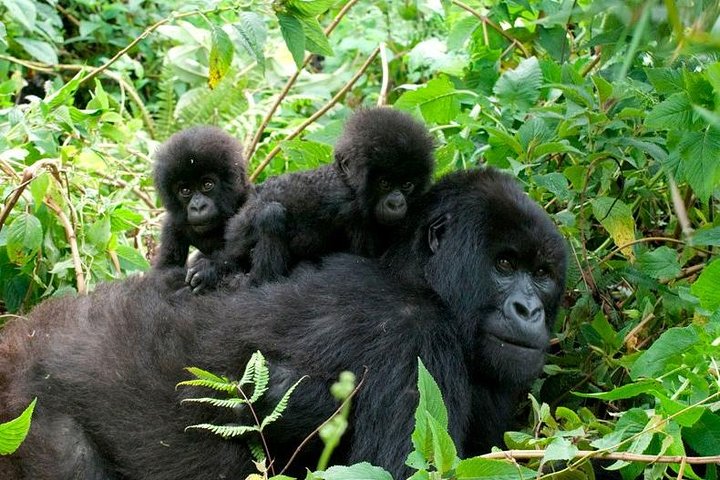


Three days built around one gorilla trek in Bwindi, with a canoe session on Lake Bunyonyi at the end. An English-speaking driver/guide handles the road and the walking, and hotel pickup starts 30 to 60 minutes before departure each day. Park fees, lunch, dinner, and bottled water are covered in the price. Gratuities and anything outside that list are on you. Bring comfortable walking shoes; the operators advise against booking this one if you have back problems. Cancel at least 6 full days before departure for a full refund — inside 2 to 6 days you get a partial refund.
If you cancel at least 6 full day(s) before the scheduled departure time, you will receive a full refund.<br>If you cancel between 2 and 6 day(s) before the scheduled departure time, you will receive a 50% refund.<br>If you cancel within 2 day(s) of the scheduled departure, you will receive a 0% refund.
English


This 4-day trip packs three Ugandan parks into one loop: you drive from Entebbe straight to Kibale Forest for chimpanzee trekking, continue to Queen Elizabeth National Park for wildlife viewing, and finish with gorilla trekking at Bwindi in the southwest. It's a road-heavy itinerary — expect long transfers between parks, which is the price of covering all three in 96 hours. Meals are covered: breakfast, lunch, and dinner are all included in the tour price. A driver/guide accompanies you throughout and speaks English. Pickup is flexible — the tour departs from Entebbe, but you can email your preferred pickup point ahead of time and the driver/guide will collect you there on departure day. Cancel at least 24 hours before departure for a full refund.
For a full refund, cancel at least 24 hours before the scheduled departure time.
English


This 48-hour private tour starts and ends in Kigali, crossing the Rwanda–Uganda border by road to reach the gorilla tracking sector of Bwindi. You travel in your own vehicle with an English-speaking driver/guide, and airport pickup and drop-off in Kigali are part of the package. Day one is the drive and overnight stay; day two is the trek itself, followed by the return to Kigali. The tour includes one gorilla tracking permit, a Batwa cultural experience, one night's accommodation, breakfast, lunch, and dinner, plus bottled water on board. Gratuities are not covered. Cancel at least 24 hours before departure for a full refund.
For a full refund, cancel at least 24 hours before the scheduled departure time.
English


This 3-day tour pairs a guided gorilla trek in Bwindi with an overnight at Lake Bunyonyi and cultural stopovers in Mbarara and Kayabwe, including a photo stop at the Equator crossing at Kayabwe. Pickup is direct from Entebbe airport, where your guide waits with a name sign, and all driving is in an air-conditioned vehicle. Gorilla permits, park entrance fees, all meals, snacks, and bottled water are covered in the price. Guiding is available in English, German, French, Italian, and Spanish. Cancel at least 24 hours before departure for a full refund — tighter than most safari operators, so confirm your dates before booking.
For a full refund, cancel at least 24 hours before the scheduled departure time.
German, English, Italian, French, Spanish


Three days, run as a private trip with your own vehicle — air-conditioned, with on-board WiFi — and a guide who can work in English, German, French, Italian, or Spanish. The route runs through the Kabale highlands, where terraced hills and morning fog off Lake Bunyonyi are part of the drive, not a detour. That lake visit is built into the itinerary: you'll get out onto the water among its 30-plus islands. It's one of Africa's deepest lakes. Meals are covered for the duration — breakfast, lunch, and dinner — along with all fees and taxes, so the permit and park costs are already in the price you pay at booking. Transportation is private throughout; there's no shared group to wait on. Cancel at least 24 hours before departure and you get a full refund. Anything shorter than that and you won't. One thing the listing leaves vague: it just says "Other" under exclusions, so check with the operator before you book what that covers — drinks, tips, and travel insurance are the usual suspects.
For a full refund, cancel at least 24 hours before the scheduled departure time.
German, English, Italian, French, Spanish